



Pakistan Successfully Tests Fatah-4 Cruise Missile
Published On 09 Oct 2026
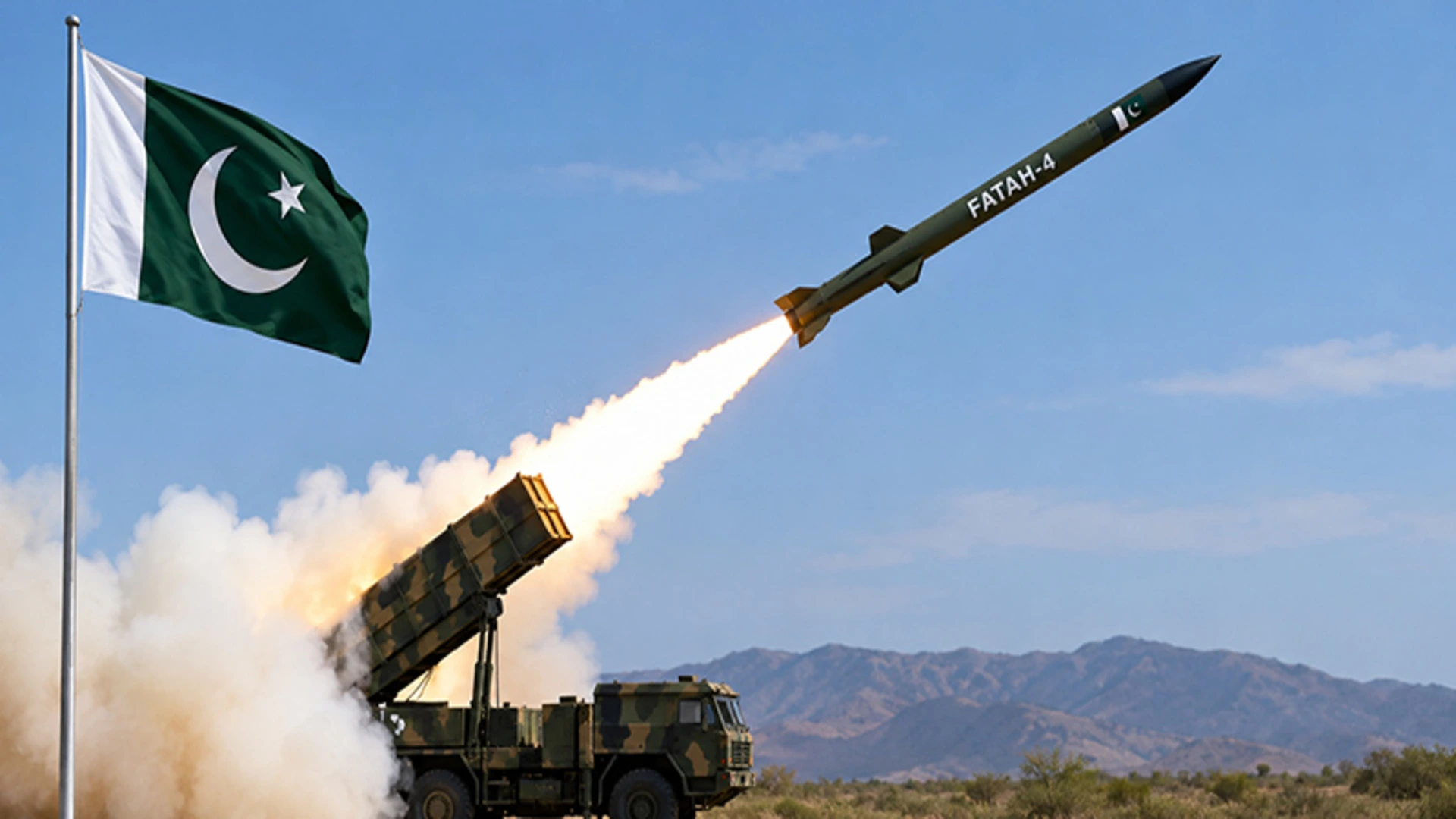
Pakistan has successfully tested the extended-range version of its locally developed Fatah-4 cruise missile, marking another step in the country’s defence technology development. The test was conducted on October 6, 2026, according to the Inter-Services Public Relations (ISPR), the media wing of the Pakistan Armed Forces. The announcement highlighted improvements in the missile system’s technical performance, navigation, and accuracy.
The test involved military officers, scientists, and engineers who witnessed the launch. It also drew attention to Pakistan’s efforts to develop and improve its own defence systems through local research and engineering. Readers can also follow the Fatah-4 missile test for more details about the latest development.
For readers following major national developments, 9 News HD provides coverage of Pakistan’s latest news, defence updates, politics, and other important events. Stay informed about important developments as they happen.
What Happened During the Fatah-4 Missile Test?
Pakistan conducted a successful test launch of the extended-range version of the Fatah-4 ground-launched cruise missile on October 6, 2026. According to ISPR, the test assessed technical features and subsystems designed to improve the missile’s accuracy and survivability.
Senior Pakistan Army officers, along with scientists and engineers from the development organisation, witnessed the launch. The country’s president, prime minister, military leadership, and service chiefs congratulated the teams involved in the test, according to the official announcement.
The test is part of Pakistan’s continuing work on locally developed defence technology. However, the announcement did not disclose the exact range achieved during this latest launch or provide a complete list of technical specifications.
What Is the Fatah-4 Cruise Missile?
The Fatah-4 cruise missile is a ground-launched weapon system developed in Pakistan. A ground-launched missile is fired from a platform on land, while a cruise missile travels through the atmosphere toward its intended target using guidance and navigation systems.
The extended-range version tested in October is intended to operate over greater distances. However, the exact range of this updated version has not been publicly confirmed.
The earlier Fatah-4 system was reported to have a range of around 750 kilometres during a test in September 2025. This figure relates to the earlier version and should not automatically be treated as the confirmed range of the extended version tested in October 2026.
Understanding this difference helps readers separate previously reported specifications from new information released after the latest test.
What Features Were Highlighted in the Test?
ISPR highlighted several technical features of the missile system. These features are important because they help explain the purpose of the test.
Advanced Avionics
Avionics refers to the electronic systems used to monitor and control a vehicle or weapon system. In a missile, these systems support its operation and help manage different functions during flight.
Modern Navigation Systems
Navigation systems help a missile follow its planned route. ISPR stated that the Fatah-4 uses advanced navigation aids designed to support accurate engagement at extended ranges.
Improved Accuracy
Accuracy is an important part of missile testing. Engineers assess whether a system performs as intended and whether its guidance and control systems work reliably.
According to ISPR, the latest test validated additional technical features intended to improve accuracy. The announcement did not provide specific measurements of the test results.
Enhanced Survivability
Survivability refers to a system’s ability to continue functioning under challenging operating conditions. ISPR said the test also assessed subsystems designed to improve the missile’s survivability.
These features were highlighted in the official statement, but detailed technical results were not released publicly.
Why Is the Extended-Range Version Important?
The latest Pakistan missile test highlights continued development of the country’s domestic defence systems. Testing an extended-range version allows engineers and defence officials to evaluate the system’s performance and assess technical improvements.
Developing defence technology locally can also help build knowledge and experience among scientists, engineers, and research teams. These efforts involve several technical fields, including electronics, navigation, materials, and engineering.
However, a successful test does not reveal every aspect of a system’s capabilities. Further information from official sources would be needed to understand the full performance of the updated missile.
How Does the Test Reflect Pakistan’s Defence Technology?
The test reflects Pakistan’s efforts to strengthen its domestic defence industry through research, development, and technical evaluation. Locally developed systems require skilled teams who can design components, test equipment, and assess performance.
The work of scientists and engineers is an important part of this process. Their contributions help develop technical expertise and support improvements to locally produced systems.
The announcement also highlights the role of cooperation between military personnel and development teams. Such cooperation is important when testing complex technology and checking whether different systems work together as intended.
Readers interested in related national developments can follow Pakistan news updates for coverage of major announcements and events.
What Happens After the Missile Test?
A successful test provides information about how a system performs under the conditions of the trial. Depending on the results and the programme’s requirements, further evaluation or testing may follow.
The October 6 announcement did not provide a specific timetable for future Fatah-4 tests or confirm when the extended version might enter service. Any claims about future deployment should therefore be based on further official announcements.
As more information becomes available, readers will have a clearer understanding of the system’s confirmed capabilities and its future development.
Conclusion
Pakistan’s successful test of the extended-range Fatah-4 cruise missile on October 6, 2026, marks another development in the country’s locally produced defence technology. According to ISPR, the test assessed technical subsystems designed to improve accuracy and survivability, while the system uses advanced avionics and navigation aids.
The exact range of the extended version has not been publicly confirmed. Further official information will help clarify its technical capabilities and the next steps in its development.
Following reliable news reports and official announcements helps readers understand defence developments without confusing confirmed facts with unverified claims.