



Admilparant Lung Drug Shows Success at Lower Dose in Trial
Published On 13 Oct, 2026
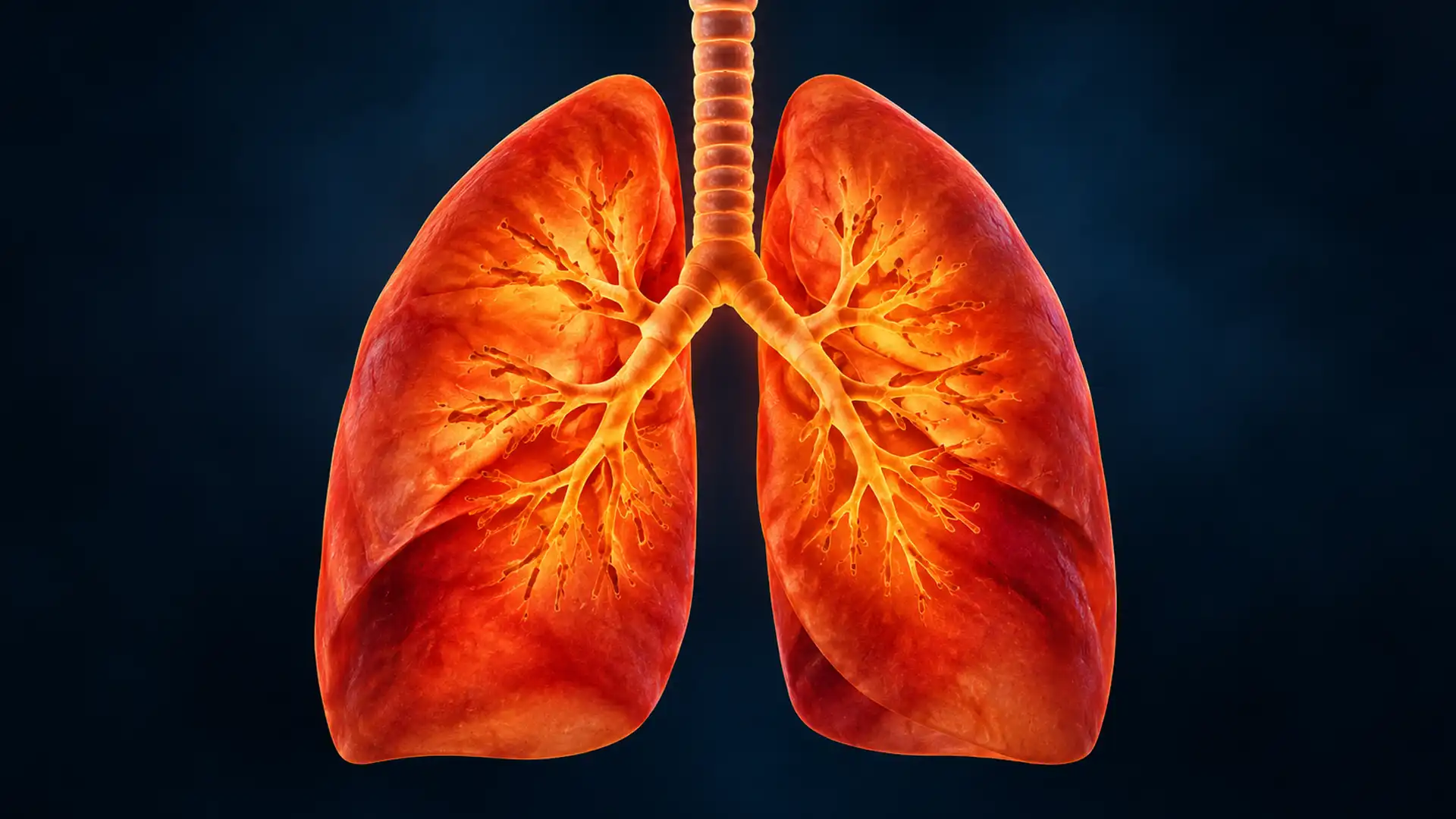
9 News HD: A lower dose of an experimental lung disease drug, admilparant, has shown positive results in a late-stage clinical trial, raising hopes for people living with a serious condition that causes lung scarring.
US drugmaker Bristol Myers Squibb announced that the 60 mg dose of admilparant, taken twice daily, helped preserve lung function in patients with idiopathic pulmonary fibrosis (IPF). The trial included 1,255 patients and measured the drug’s effects over 52 weeks.
IPF is a long-term lung disease that causes scar tissue to build up in the lungs. Over time, this scarring makes lung tissue thicker and stiffer, making it harder for patients to breathe. The disease can worsen over time and cause lasting damage to the lungs.
According to the trial results, the lower 60 mg dose performed significantly better than a placebo in preserving lung function. However, the higher 120 mg dose did not meet the study’s main goal, although it showed some benefit in slowing the loss of lung function.
The company also reported that the drug was generally well tolerated at both doses, with low rates of patients stopping treatment because of side effects. However, further review of the complete trial data will be important to understand its benefits and risks.
If approved by regulators, admilparant could become a new treatment option for people with IPF. The drug is still experimental and is not yet an approved treatment. Results from a separate late-stage study involving another form of progressive lung disease are expected in early 2027.
The findings offer hope for future treatment, but more information is needed before the drug’s role in patient care becomes clear.